Skip to the content

Owning a Genie GS-series scissor lift, such as the popular GS-1930 or the high-reaching GS-3232, is an investment in productivity and safety. However, the design life of these machines is only "unrestricted" if you adhere to proper operation, rigorous inspection, and scheduled maintenance. Neglecting basic service can lead to costly downtime, or worse, hazardous working conditions.
In this comprehensive blog, we'll cover essential service reminders, technical tips, and keyword-rich insights to help you maintain your Genie lift using information directly from official service manuals.
1. Safety First: The Golden Rules of Maintenance
Before turning a single wrench, you must ensure the machine is in the correct service configuration. Unless a specific procedure requires otherwise, always perform maintenance with the machine in this state:
-
Parked on a firm, level surface.
-
Platform in the stowed position.
-
Key switch in the "off" position and key removed.
-
Red Emergency Stop buttons pushed in at both ground and platform controls.
-
Wheels chocked to prevent rolling.
-
All external AC power disconnected.
Pro Tip: Never perform maintenance unless you are trained and qualified to do so, and always use Genie-approved replacement parts to maintain the integrity of the machine.
2. Battery Care and Charging Profiles
The battery pack is the heart of your electric Genie scissor lift. Whether you are running GS-1530 or GS-1932 models, battery health is paramount.
Understanding Your Battery Type
Genie lifts typically use either standard Lead Acid (FLA) or AGM (Maintenance Free) batteries. It is critical that your battery charger is programmed with the correct charging profile to match the batteries installed on your machine. Using the wrong profile can significantly shorten battery life or cause damage.
The Watering System
For lead-acid batteries, regular watering is required. Many modern Genie units are compatible with a Battery Watering Kit (24V Univ) and a hand pump to simplify this process. Check your serial number to ensure you are ordering the correct kit for your specific year and model.
Charging Safety
Keep sparks and flames away from battery gases, and always ensure your workshop is well-ventilated. If your machine is equipped with the SmartLink™ Diagnostic System, remember that updating software can sometimes reset battery parameters.
3. Hydraulic System Optimization
The hydraulic system powers your steering and lift functions. Proper fluid management is the best way to prevent pump failure.
Fluid Levels and Capacities
Always check the hydraulic fluid level when the platform is fully stowed. The fluid must be between the FULL and ADD marks on the tank. Different models have varying capacities:
-
GS-1530/1532/1930/1932: 3.8 gallons (14.2 liters).
-
GS-2032/2632/2046/2646: 4.5 gallons (17 liters).
-
GS-3232/3246: 5.5 gallons (20.8 liters).
Maintaining Cleanliness
Hydraulic oil can be dangerous; spraying oil can penetrate and burn skin. When removing hoses or fittings, always replace the O-rings and torque the connections to the specified values listed in your service manual. For example, the coil nuts on many manifolds require a torque of only 5-7 ft-lbs to avoid damage.
4. Tires, Wheels, and Torque Specifications
The solid rubber tires on Genie lifts are built for durability, but the hardware securing them requires periodic checks.
-
GS-15/19 models typically use 12 x 4.5-inch tires.
-
GS-20/26/32/40 models use 15 x 5-inch tires.
Castle Nut Torque
When removing or installing a drive motor or wheel, you must replace the cotter pin with a new one—never reuse them. The castle nut must be torqued to:
-
300 ft-lbs (406.7 Nm) if dry.
-
225 ft-lbs (305 Nm) if lubricated.
5. Scissor Arm and Wear Pad Maintenance
The "scissor" stack is subject to immense friction. Proper lubrication and wear pad maintenance ensure smooth elevation.
Lubrication Tips
Apply a thin layer of dry film lubricant to the areas of the chassis where the scissor arm wear pads make contact. Additionally, keep an eye on your steer linkage zerks. Most models have two grease fittings (zerks) on the steer linkage that require regular greasing.
Replacing Wear Pads
Wear pads (sliders) will eventually thin out. To replace them, you must drill out the old rivets and install new ones, ensuring the rivet heads remain below the surface of the wear pad to prevent scratching the chassis. Common parts include the UHMW Slider (96126GT) used across many GS-30 units.
6. Advanced Diagnostics with Genie SmartLink™
Modern Genie lifts utilize the SmartLink™ Diagnostic System (GSDS) to communicate machine status and malfunctions.
Decoding DTCs and OICs
-
Diagnostic Trouble Codes (DTC): These alphanumeric codes (e.g., HXXX, UXXX, CXXX) pinpoint specific component malfunctions. For instance, a C028 code indicates the machine is in Service Override Mode.
-
Operational Indicator Codes (OIC): These appear on the platform controls to show machine status (like "off-level" or "overload") and are not necessarily indicator of a failure.
Software Updates
You can update machine software via Machine Application Mode using a PC connected to the diagnostic port on the GCON (Ground Controls). Warning: Updating software can impact the machine's default drive speeds. Always perform a drive speed test and function test before returning the machine to service after an update.
7. Key Maintenance Component Checklist
To keep your e-commerce cart ready, here are some of the most frequently searched maintenance parts for these models:
-
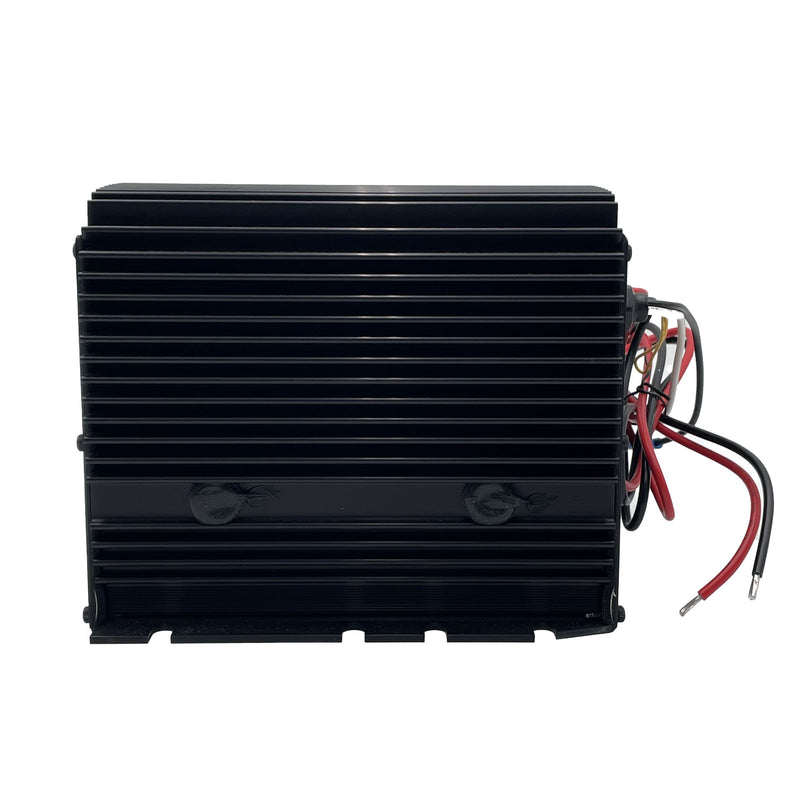
105739GT: 24V DC Signet Battery Charger.
-
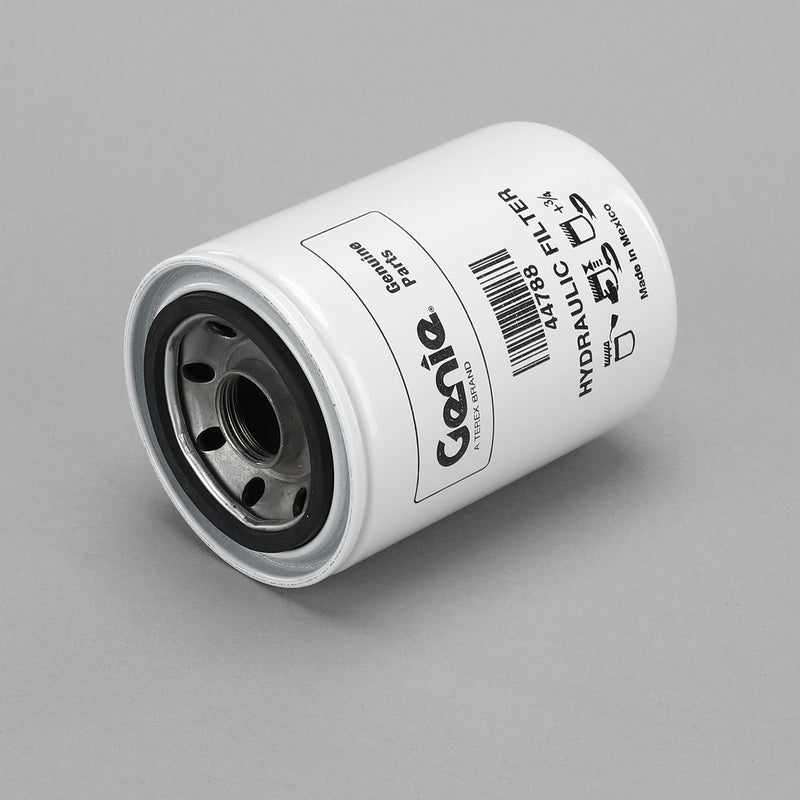
44788GT: 10-micron Paper Filter Element.
-
78546GT: Hydraulic Tank Breather Cap.
-
66399GT: Dielectric Grease (Essential for protecting electrical connections).
-
1308064GT: Down Limit Switch (Replaces the older 19491GT) [item 19491GT].
Conclusion
A well-maintained Genie lift is a safe Genie lift. By following these service reminders—from checking your hydraulic tank capacity to ensuring your castle nuts are torqued to 300 ft-lbs—you protect your equipment and your crew.
Whether you are looking for a GS-1930 service manual or specific Genie replacement parts, staying informed is your first line of defense against machine failure. For more detailed procedures, always consult the specific Service and Repair Manual corresponding to your machine's serial number.