Skip to the content

At Reliable Equipment Parts, we know that when your Genie S-80, S-80X, or S-85 telescopic boom stops moving, every minute of downtime impacts your bottom line. These machines are engineered for complex tasks at height, which means they rely on a sophisticated network of sensors, control modules, and hydraulic valves to operate safely. When something goes wrong, the machine's malfunction indicator light or ground control display will alert the operator to an error.
Understanding these codes is the first step toward a fast repair. This guide covers common fault indications, the components responsible for them, and the replacement parts you need to get back to work.
The First Line of Defense: Malfunction Indicator Lights
Before a specific numerical code is even identified, the machine uses visual cues to warn of a problem. On the ground control box for Deutz TD2.9L4 and Perkins 404 models, you will find the Machine Malfunction Indicator Light (Part No. 824879GT).
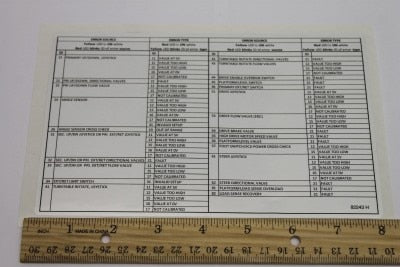
If this red LED is illuminated, the machine's Electronic Control Unit (ECU) has detected a condition outside of normal operating parameters. On the platform, a similar Indicator Light (Part No. 218165GT) provides real-time feedback to the operator. When these lights flash, the next step is to check the diagnostic display or the Fault Code Decal (Part No. 82243GT) located near the controls for a description of the error.
Common Engine-Related Fault Codes
Many "no-start" or "engine-kill" codes originate from the engine's safety sensors. Modern Genie lifts powered by Deutz or Perkins Tier 4 engines are highly sensitive to fluid levels and pressures.
1. Engine Oil Pressure Faults
If the machine displays an oil pressure error, it is often triggered by the Oil Pressure Switch (Part No. 139624GT). This switch monitors the engine's lubrication system. A faulty switch can send a false signal to the ECM (Part No. 214795GT), causing an immediate engine shutdown to prevent internal damage.
The Solution: Always check oil levels first. If levels are adequate, the pressure switch may need replacement. For older Deutz F4L1011F models, ensure you use the correct Oil Pressure Sending Unit (Part No. 37033GT).
2. Coolant Level and Temperature Errors
Overheating is a common cause of field failures. The Coolant Level Sensor (Part No. 218715GT or 162210GT) is a frequent culprit for engine-related codes on Deutz 2.9L models. If the coolant level is low, the machine may restrict functions.
The Solution: Inspect the radiator (Part No. 826795GT) for leaks and verify the sensor's integrity. If the engine is running hot but the level is fine, the Engine Coolant Temp Sensor (Part No. 84148GT) or the Thermostat (Part No. 226127GT) might be failing.
Safety and Envelope Limit Faults
The Genie S-80 series uses a "safety envelope" to ensure the boom doesn't extend into an unstable position. Errors in this system are among the most frustrating because they often disable boom lift or extend functions entirely.
3. Angle Sensor and Calibration Errors
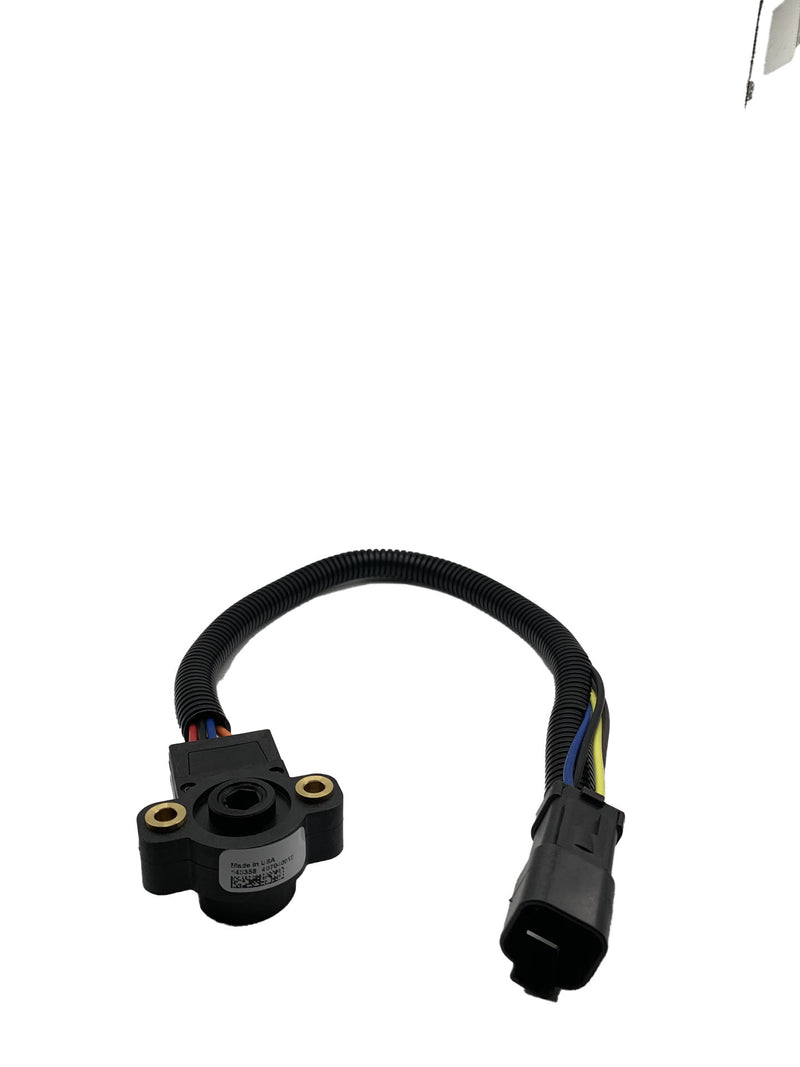
The Angle Sensor (Part No. 94980GT) is critical for the machine to know the exact position of the boom link assembly. If this sensor fails or loses its calibration, the machine may throw a "Safety Pri Vel" or "Angle Sensor Out of Range" fault.
The Solution: When replacing a Master Link (Part No. 121646GT) or any primary link components, Genie requires a full Angle Sensor calibration to clear the fault and ensure safe operation.
4. Limit Switch Obstructions
Codes related to "Boom Retract" or "Boom Up" often involve the Limit Switches. For example, the Limit Switch with Roller Arm (Part No. 110771-11117GT) is used across various serial number ranges to monitor boom position.
The Solution: Check for physical debris (mud, ice, or wire) obstructing the roller arm. If the switch is electrically dead, a replacement Harness (Part No. 121466GT) or switch assembly is required to restore function enable.
Hydraulic System Diagnostic Codes
When the engine runs fine but the drive or boom functions are sluggish or non-responsive, the problem usually lies in the hydraulic manifolds.
5. Charge Pressure Faults
The drive system relies on "charge pressure" to keep the main pump primed. If the pressure drops, the system will trigger a fault. This is often monitored via the Relief Valve (Part No. 62253GT or 122302GT) in the traction or oil diverter manifolds.
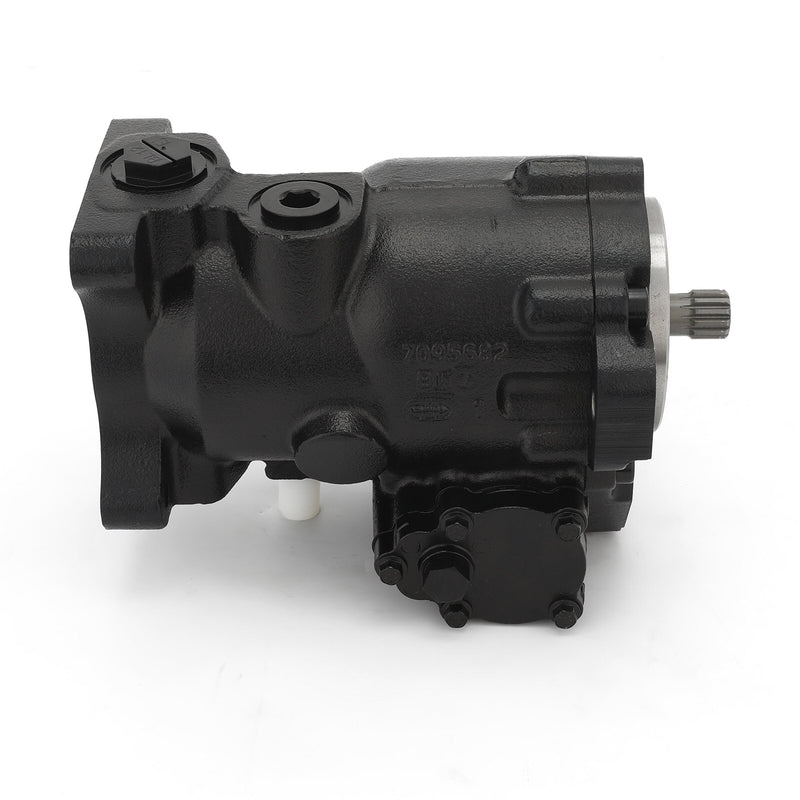
The Solution: Use the Diagnostic Female Quick Disconnect (Part No. 20224GT) and Diagnostic Nipple (Part No. 48998GT) to test the actual system pressure against the manual's specifications. Low pressure may indicate a need for a new Seal Kit (Part No. 128416GT) for the relief valve.
6. Traction and Drive Faults
If the machine only drives in one direction or fails to shift speeds, the Traction Manifold is likely the issue [701.1, 1140]. Faults here often involve the Flow Divider/Combiner Valve (Part No. 52726GT or 94752GT).
The Solution: Inspect the Solenoid Valves and their Coils (Part No. 81044GT or 29744GT). A burnt-out coil is a very common and inexpensive fix for a machine that refuses to drive.
Electrical and Control System Issues
The "brains" of your Genie boom lift are the Ground and Platform Control Boxes. Electrical faults often appear as communication errors between these two stations.
7. Emergency Stop (E-Stop) Codes
Sometimes the simplest "fault" is a triggered Emergency Stop Button (Part No. 66812GT). If the machine has no power to the controls, check the Contact (Part No. 66818GT) behind the button.
The Solution: If the button is physically damaged, the E-Stop Service Kit (Part No. 122514GT) provides a complete replacement for ground or platform boxes.
8. Joystick Controller Faults
If the machine throws a code when you attempt to move the boom, it may be a "Neutral Center" fault on the joystick. The Single Axis Proportional Joystick (Part No. 24495GT) and its aftermarket equivalent (Part No. 24495HGT) are high-wear items.
The Solution: Check the PCB (Part No. 27524GT) and Potentiometer (Part No. 49870GT) inside the joystick. If the Controller Boot (Part No. 27134GT) is torn, moisture can enter and short the board, necessitating a full joystick replacement.
Tips for Reducing Error Codes through Preventive Maintenance
Many fault codes can be prevented with a dedicated maintenance schedule using high-quality parts from Reliable Equipment Parts.
-
Keep it Clean: The Air Cleaner (Part No. 81467GT) protects the engine from the dust and debris found on construction sites. A clogged filter leads to intake vacuum faults.
-
Monitor Your Battery: Weak batteries cause erratic electrical codes. Ensure your Battery (Part No. 1303581GT) is fully charged and the Battery Hold Down (Part No. 30144GT) is secure.
-
Check the Wiring: Harnesses like the Deutz Engine Harness (Part No. 824585GT) or the Perkins Engine Harness (Part No. 101893GT) are subject to vibration and heat. Look for frayed wires before they turn into hard-to-diagnose intermittent faults.
-
Scheduled Kits: Every 250 hours, use a dedicated Engine Service Kit (Part No. 1278714GT) for Deutz models to ensure oil and fuel filters are fresh, reducing the chance of pressure and flow-related codes.
Conclusion: Trust Reliable Equipment Parts for Your Genie Lift
When your Genie S-80, S-80X, or S-85 displays a fault, don't let it stall your project. Whether you need a new Angle Sensor (94980GT), a Drive Motor (24668GT), or a Seal Kit for your hydraulic pump (29739GT), Reliable Equipment Parts has the inventory to get you back in the air.
By keeping a stock of common "fail-items" like fuses (147094GT), relays (34052GT), and solenoid coils (81044GT), you can clear many common codes in minutes rather than days.
Visit our site today and search by part number to find exactly what you need for your specific serial number range. At Reliable Equipment Parts, your uptime is our business!
Disclaimer: Troubleshooting heavy machinery involves significant safety risks. Always refer to your machine's specific Service and Repair Manual and ensure all diagnostics are performed by a qualified technician.