Skip to the content

Navigating the diagnostic systems of a Genie S-40 or S-45 telescopic boom lift can be the difference between a productive afternoon and an expensive day of downtime. These machines are designed with sophisticated electronic control systems that use indicator lights and fault codes to communicate issues ranging from simple sensor misalignments to critical engine failures.
Whether you are operating a classic model in the SN 831 to 7000 range or a modern S-40 XC (Xtra Capacity) unit, understanding how to interpret these errors is essential for effective fleet management. This guide explores the common hardware associated with error reporting and the solutions for the faults you are most likely to encounter.
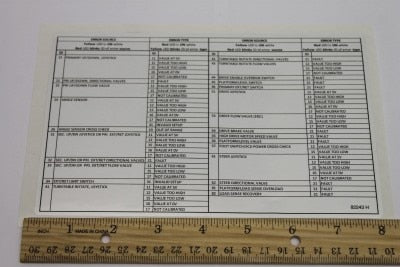
The "Fault Code" Decal (Part No. 82243GT)
Every Genie S-40 and S-45 should be equipped with the Fault Code Decal (82243GT). On many older and standard models, diagnostics are not always presented as text on a screen. Instead, the machine uses a series of light flashes.
The 82243GT decal serves as your "Rosetta Stone," translating these flashes into specific system failures. If this decal is missing or unreadable, it is a high-priority replacement item for your next service. Without it, your operators will be unable to communicate the nature of a breakdown to your service department, leading to unnecessary diagnostic hours.
Indicator Lights: Check Engine vs. Machine Malfunction
Most S-40 and S-45 models feature two primary indicator plugs on the ground control box:
-
Check Engine Light: Often identified by a black dome plug/light assembly (229567GT).
-
Machine Malfunction Light: Also utilizes the 229567GT plug assembly.
Common Issues and Solutions:
-
Solid Check Engine Light: This usually indicates a non-critical engine fault, such as a clogged air filter (62420GT) or a need for a scheduled oil change.
-
Flashing Machine Malfunction Light: This points toward an electronic control system error. This often occurs when a Toggle Switch (like the 128202GT boom up/down switch) is held in the active position during startup, which the system interprets as a safety fault. Ensure all joysticks and switches are in the neutral position before powering on.
Level Sensor and Tilt Alarms
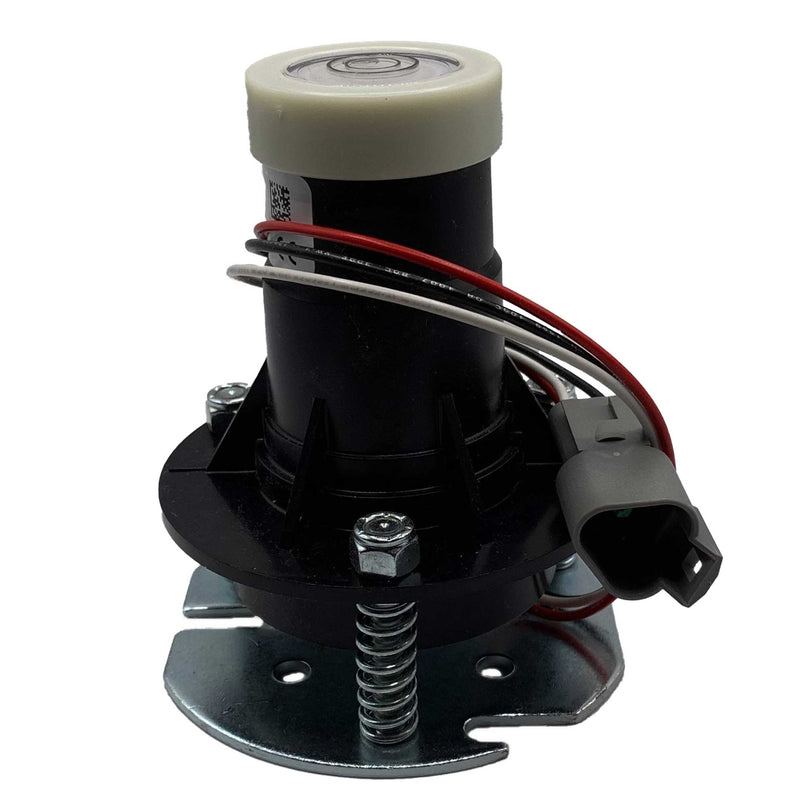
The Level Sensor (94077GT) is a critical safety component that monitors the chassis angle. If the machine is on a slope exceeding its safe operating limit (often 4.5 degrees), the Tilt Alarm (1260218GT) will sound.
The Fault Code: If the level sensor fails or loses calibration, the machine may disable drive or boom functions entirely. The Solution: First, ensure the machine is on a level, firm surface. If the error persists, inspect the wiring harness to the sensor. For CSA models, a specific Tilt Alarm Kit (1285811GT) is available to replace faulty alarm modules.
Engine Control Unit (ECU/ECM) Faults
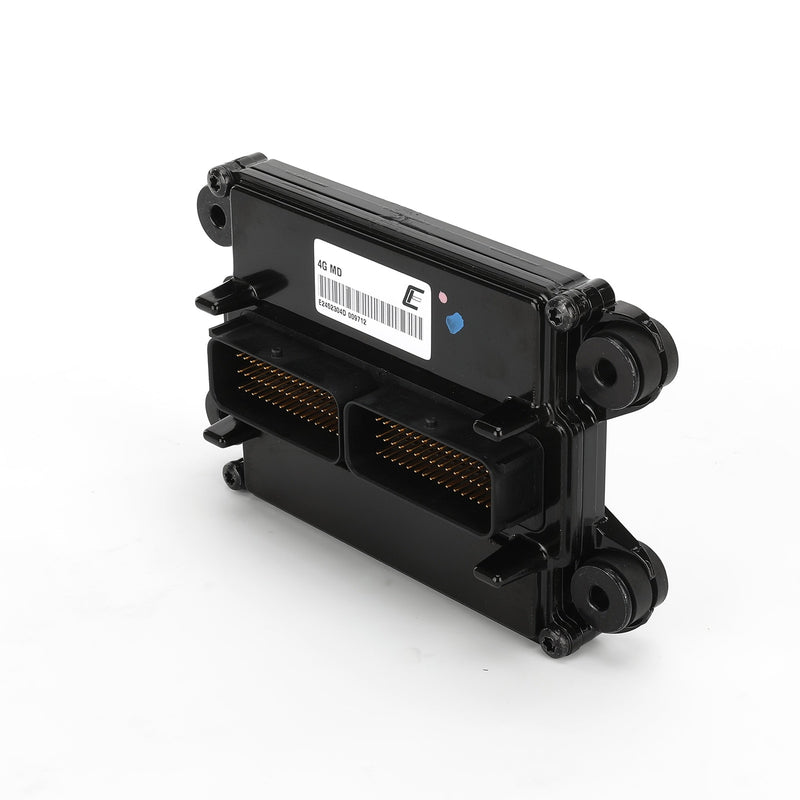
Modern engines—such as the Ford MSG-425, Deutz D2.9L4, and Perkins 404F—rely heavily on an Electronic Control Module (ECM).
-
Ford MSG-425 Models: If you experience intermittent stalling or a "No Start" condition, the culprit is often the Control Module (1294827GT), which replaces the original 215317GT ECM.
-
Deutz TD 2.2L (Stage V): Newer units use the Deutz ECM (1301055GT).
Solution: ECU faults often stem from poor voltage. Before replacing an expensive module, check the ATM Fuses (ranging from 5AMP 1251506GT to 30AMP 1251501GT) and the Power/Fuse Module Relay (824023GT). Blown fuses are the most frequent cause of "Controller Communication" errors.
Xtra Capacity (XC) and Load Sense Errors
The XC (Xtra Capacity) models, such as the S-45 XC, feature a sophisticated dual-envelope load-sensing system. These machines use a Load Sense Module (1280589GT) and a Platform Overload Decal (219487GT) to warn the operator when weight limits are exceeded.
Common Error: The "Overload" light flashes, and functions are cut off, even when the platform is empty. The Solution: This is typically a calibration error rather than a hardware failure. However, if hardware is suspected, inspect the Load Support Weldment (61809GT) and the sensors at the platform support. For machines before 2017, the Operators Protection Alarm (OPA) system may also trigger faults if the Reset Switch (1255036GT) is damaged or disconnected.
Joystick and Controller Malfunctions
The joysticks are the primary interface for the operator and are subject to high wear and tear.
-
Drive/Steer Controller (20424GT): A common fault is a "Joystick Not Neutral" error, often caused by a torn Boot (25881GT) allowing moisture into the Microswitch (19712GT).
-
Boom Function Joysticks: For machines with the ALC600 system, the 1274970GT (2-axis Blue) or 1274969GT (1-axis Blue) joysticks are used.
The Solution: If a specific function (like "Swing") is erratic, try swapping the joystick controllers if they share part numbers. If the error moves with the joystick, you need a replacement. If the error stays with the function, the issue lies in the Solenoid Valve (89733GT) on the function manifold.
The Role of Sensors: Proximity and Temperature
Errors frequently arise from sensors reporting data out of range:
-
Angle Sensors: Modern XC models use an Angle Sensor Assembly (1306378GT) at the rotator. A fault here will restrict the boom's "Safe Envelope."
-
Engine Temperature: The Coolant Temp Sensor (825693GT) or the Ford-specific Cylinder Head Temp Sensor (215300GT) will trigger an immediate engine shutdown if they detect overheating.
-
Oil Pressure: A flashing check engine light combined with low power often points to the Oil Pressure Sensor (824673GT).
Solving Faults by Serial Number
One of the biggest mistakes in troubleshooting a Genie S-40 or S-45 is assuming all machines are identical. A solution for an SN S40H-23500 machine will not work for an SN 0001 to 0830 unit.
Always verify your machine's serial number before ordering diagnostic parts like the ECU (Turntable 1284523GT) or Wire Harnesses (such as the 1277946GT Deutz 2.9T harness). The electrical architecture changed significantly between Tier 3, Tier 4, and Stage V engines, and the wrong harness can introduce more "Ghost Faults" into your system.
Summary Checklist for Genie S-40/45 Diagnostics
-
Check the Fault Decal (82243GT): Translate those flashes into a code.
-
Inspect Fuses and Relays: Most electronic "dead" units are just victims of a blown 15A Fuse (1251499GT).
-
Reset Safety Switches: Ensure the E-Stop (66812GT) is fully pulled out and the footswitch is not engaged.
-
Clean the Sensors: Mud or debris on the Proximity Sensor (27391GT) can lead to "Boom Not Stowed" errors that prevent high-speed drive.
Get the Parts You Need to Clear Your Codes
Don't let a simple error code turn into a week of lost revenue. From replacement joysticks to engine ECMs and safety decals, our eCommerce store carries the full range of parts for every serial number of the Genie S-40 and S-45.
Shop now by searching your specific part number or reach out to our team with your Serial Number for expert assistance in finding the right solution!